





After the Spirit
After the Spirit
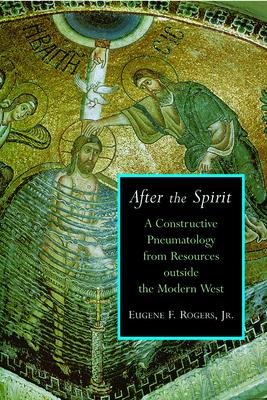
"To think about the Spirit it will not do to think 'spiritually': to think about the Spirit you have to think materially," claims Eugene F. Rogers. The Holy Spirit, who in classical Christian discourse "pours out on all flesh," has tended in modern theology and worship to float free of bodies. The result of such disembodiment, contends Rogers, is that our talk about the Spirit has become flat and uninspiring. In After the Spirit Rogers diagnoses a related gap in the revival of trinitarian theology, a mentality that "there's nothing the Spirit can do that the Son can't do better." The Eastern Christian tradition, by contrast, has usually linked the Holy Spirit with holy places, holy people, and holy things. Weaving together a rich tapestry of sources from this tradition, Rogers locates the Spirit in the Gospel stories of the annunciation, Jesus' baptism, the transfiguration, and the resurrection. These stories offer illuminating glimpses into both the Spirit's connection with the tangible world and the Spirit's distinctive place in relation to the other persons of the Trinity.
To think about the Spirit it will not do to think 'spiritually' to think about the Spirit you have to think materially," claims Eugene F. Rogers. The Holy Spirit, who in classical Christian discourse "pours out on all flesh," has tended in modern theology and worship to float free of bodies. The result of such disembodiment, contends Rogers, is that our talk about the Spirit has become flat and uninspiring. In After the Spirit Rogers diagnoses a related gap in the revival of trinitarian theology, a mentality that "there's nothing the Spirit can do that the Son can't do better."The Eastern Christian tradition, by contrast, has usually linked the Holy Spirit with holy places, holy people, and holy things. Weaving together a rich tapestry of sources from this tradition, Rogers locates the Spirit in the Gospel stories of the annunciation, Jesus' baptism, the transfiguration, and the resurrection. These stories offer illuminating glimpses into both the Spirit's connection with the tangible world and the Spirit's distinctive place in relation to the other persons of the Trinity.Eight gorgeous color plates complement Rogers's witty and passionate prose.
To think about the Spirit it will not do to think 'spiritually' to think about the Spirit you have to think materially," claims Eugene F. Rogers. The Holy Spirit, who in classical Christian discourse "pours out on all flesh," has tended in modern theology and worship to float free of bodies. The result of such disembodiment, contends Rogers, is that our talk about the Spirit has become flat and uninspiring. In After the Spirit Rogers diagnoses a related gap in the revival of trinitarian theology, a mentality that "there's nothing the Spirit can do that the Son can't do better."The Eastern Christian tradition, by contrast, has usually linked the Holy Spirit with holy places, holy people, and holy things. Weaving together a rich tapestry of sources from this tradition, Rogers locates the Spirit in the Gospel stories of the annunciation, Jesus' baptism, the transfiguration, and the resurrection. These stories offer illuminating glimpses into both the Spirit's connection with the tangible world and the Spirit's distinctive place in relation to the other persons of the Trinity.Eight gorgeous color plates complement Rogers's witty and passionate prose.
PRP: 210.74 Lei

Acesta este Prețul Recomandat de Producător. Prețul de vânzare al produsului este afișat mai jos.
189.67Lei
189.67Lei
210.74 LeiPrimești 189 puncte
Livrare in 2-4 saptamani
Descrierea produsului
"To think about the Spirit it will not do to think 'spiritually': to think about the Spirit you have to think materially," claims Eugene F. Rogers. The Holy Spirit, who in classical Christian discourse "pours out on all flesh," has tended in modern theology and worship to float free of bodies. The result of such disembodiment, contends Rogers, is that our talk about the Spirit has become flat and uninspiring. In After the Spirit Rogers diagnoses a related gap in the revival of trinitarian theology, a mentality that "there's nothing the Spirit can do that the Son can't do better." The Eastern Christian tradition, by contrast, has usually linked the Holy Spirit with holy places, holy people, and holy things. Weaving together a rich tapestry of sources from this tradition, Rogers locates the Spirit in the Gospel stories of the annunciation, Jesus' baptism, the transfiguration, and the resurrection. These stories offer illuminating glimpses into both the Spirit's connection with the tangible world and the Spirit's distinctive place in relation to the other persons of the Trinity.
To think about the Spirit it will not do to think 'spiritually' to think about the Spirit you have to think materially," claims Eugene F. Rogers. The Holy Spirit, who in classical Christian discourse "pours out on all flesh," has tended in modern theology and worship to float free of bodies. The result of such disembodiment, contends Rogers, is that our talk about the Spirit has become flat and uninspiring. In After the Spirit Rogers diagnoses a related gap in the revival of trinitarian theology, a mentality that "there's nothing the Spirit can do that the Son can't do better."The Eastern Christian tradition, by contrast, has usually linked the Holy Spirit with holy places, holy people, and holy things. Weaving together a rich tapestry of sources from this tradition, Rogers locates the Spirit in the Gospel stories of the annunciation, Jesus' baptism, the transfiguration, and the resurrection. These stories offer illuminating glimpses into both the Spirit's connection with the tangible world and the Spirit's distinctive place in relation to the other persons of the Trinity.Eight gorgeous color plates complement Rogers's witty and passionate prose.
To think about the Spirit it will not do to think 'spiritually' to think about the Spirit you have to think materially," claims Eugene F. Rogers. The Holy Spirit, who in classical Christian discourse "pours out on all flesh," has tended in modern theology and worship to float free of bodies. The result of such disembodiment, contends Rogers, is that our talk about the Spirit has become flat and uninspiring. In After the Spirit Rogers diagnoses a related gap in the revival of trinitarian theology, a mentality that "there's nothing the Spirit can do that the Son can't do better."The Eastern Christian tradition, by contrast, has usually linked the Holy Spirit with holy places, holy people, and holy things. Weaving together a rich tapestry of sources from this tradition, Rogers locates the Spirit in the Gospel stories of the annunciation, Jesus' baptism, the transfiguration, and the resurrection. These stories offer illuminating glimpses into both the Spirit's connection with the tangible world and the Spirit's distinctive place in relation to the other persons of the Trinity.Eight gorgeous color plates complement Rogers's witty and passionate prose.
Detaliile produsului



