





Recovery: A Poem
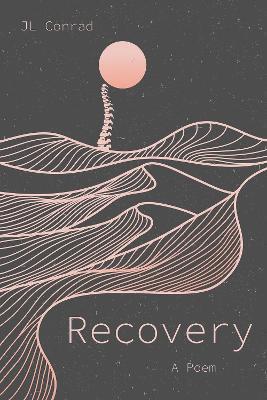
Recovery: A Poem
J. L. Conrad's Recovery inhabits a dreamscape filled with fragments of conversation, remembered loved ones, and the profound disorientation that accompanies loss. Written over the span of a week, this poetic sequence invites us to imagine how a body flooded with grief or physical pain becomes self-identified with these sensations: a takeover that Elaine Scarry describes as annihilation, blurring "all that is inside and outside" and knotting them together. If grief is an unreality that parallels dreams--this doesn't feel real--then poetry, with its heightened awareness, is what brings us back to the world outside the body. The incantatory poems in this sequence offer a way of moving beyond the self at a time when the only way through is through. Or, in the words that Shoshana Felman offers about Paul Celan's poetry, "To seek reality is both to set out to explore the injury inflicted by it--to turn back on, and try to penetrate, the state of being stricken, wounded by reality [wirklichkeitswund]--and to attempt, at the same time, to reemerge from the paralysis of this state, to engage reality [Wirklichkeitsuchend] as an advent, a movement, and as a vital, critical necessity of moving on." As Conrad's poetry provides glimpses into questions of human frailty, loss, and sentience itself, the speaker in Recovery looks not for transcendence but embraces a body marked and wounded, a body trailing ghosts.
...
From "Recovery"
In my dream we were in a tree
and we were suffering. In this case, suffering with could not alleviate
suffering. It proved impossible to overlook the pits in our stomachs. The car lurched forward, into the knees
of the pedestrian, the line of pilgrims.
...
From "Recovery"
In my dream we were in a tree
and we were suffering. In this case, suffering with could not alleviate
suffering. It proved impossible to overlook the pits in our stomachs. The car lurched forward, into the knees
of the pedestrian, the line of pilgrims.
PRP: 105.09 Lei

Acesta este Prețul Recomandat de Producător. Prețul de vânzare al produsului este afișat mai jos.
94.58Lei
94.58Lei
105.09 LeiPrimești 94 puncte
Indisponibil
Descrierea produsului
J. L. Conrad's Recovery inhabits a dreamscape filled with fragments of conversation, remembered loved ones, and the profound disorientation that accompanies loss. Written over the span of a week, this poetic sequence invites us to imagine how a body flooded with grief or physical pain becomes self-identified with these sensations: a takeover that Elaine Scarry describes as annihilation, blurring "all that is inside and outside" and knotting them together. If grief is an unreality that parallels dreams--this doesn't feel real--then poetry, with its heightened awareness, is what brings us back to the world outside the body. The incantatory poems in this sequence offer a way of moving beyond the self at a time when the only way through is through. Or, in the words that Shoshana Felman offers about Paul Celan's poetry, "To seek reality is both to set out to explore the injury inflicted by it--to turn back on, and try to penetrate, the state of being stricken, wounded by reality [wirklichkeitswund]--and to attempt, at the same time, to reemerge from the paralysis of this state, to engage reality [Wirklichkeitsuchend] as an advent, a movement, and as a vital, critical necessity of moving on." As Conrad's poetry provides glimpses into questions of human frailty, loss, and sentience itself, the speaker in Recovery looks not for transcendence but embraces a body marked and wounded, a body trailing ghosts.
...
From "Recovery"
In my dream we were in a tree
and we were suffering. In this case, suffering with could not alleviate
suffering. It proved impossible to overlook the pits in our stomachs. The car lurched forward, into the knees
of the pedestrian, the line of pilgrims.
...
From "Recovery"
In my dream we were in a tree
and we were suffering. In this case, suffering with could not alleviate
suffering. It proved impossible to overlook the pits in our stomachs. The car lurched forward, into the knees
of the pedestrian, the line of pilgrims.
Detaliile produsului



