





The Iron Brigade and Stonewall Brigade: The History of the Civil War's Most Famous Brigades
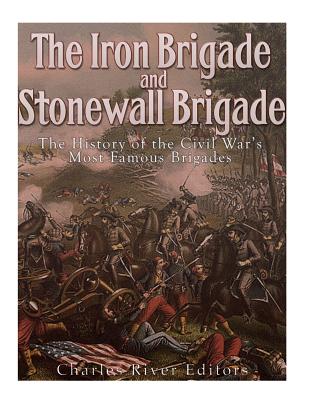
The Iron Brigade and Stonewall Brigade: The History of the Civil War's Most Famous Brigades
*Includes pictures *Includes accounts of the battles written by soldiers *Includes online resources and a bibliography for further reading The title of "Iron Brigade" has been given to a number of different U.S. Army brigades over the last century and a half, but it has become almost entirely synonymous with the Civil War soldiers who fought in the brigade for the Army of the Potomac. Also known as the "Iron Brigade of the West," "Rufus King's Brigade" and the "Black Hat Brigade," the Iron Brigade was comprised of the 2nd, 6th, and 7th Wisconsin Volunteer Infantry Regiments, the 19th Indiana, Battery B of the 4th U.S. Light Artillery, and later, the 24th Michigan. Wisconsin governor Alexander William Randall had hoped to organize an all-Wisconsin brigade to contribute to the Union's Civil War effort, but the U.S. Army dispersed Wisconsin regiments to different areas as needs arose. Nevertheless, Wisconsin regiments comprised a majority of the brigade, and it would distinguish itself as the only all-Western brigade in the Army of the Potomac. It would come to be recognized for its unique uniforms, strong discipline, and "iron" disposition, earning the name during the Maryland Campaign both for its tenacity and for the costs paid by fighting so hard. The Eastern Theater of the Civil War saw the bloodiest and most famous battles, as well as the biggest losses, giving the brigade a chance to demonstrate its mettle during legendary confrontations with Robert E. Lee's Army of Northern Virginia, particularly at the battles of Second Bull Run, South Mountain, Antietam, and Gettysburg. In fact, the brigade suffered the highest percentage of casualties of any brigade in the Civil War, rendering it almost incapable of maintaining a fighting force by June 1864, during the middle of Ulysses S. Grant's Overland Campaign. General Thomas Jonathan Jackson and his brigade earned the nickname "Stonewall" at First Manassas by turning the tide of that battle, and they would become known as the legendary foot cavalry by bottling up 3 different Union armies in the Shenandoah Valley in 1862. Although Stonewall Jackson and the Stonewall Brigade may share the most famous nickname to come out of the Civil War, it's still unclear whether Barnard Bee, the general who provided the legendary name at First Manassas, meant it as a complaint that they were not moving or as a compliment for standing resolute in the heat of battle. Regardless, the Stonewall Brigade went on to fight in ev
PRP: 119.12 Lei

Acesta este Prețul Recomandat de Producător. Prețul de vânzare al produsului este afișat mai jos.
107.21Lei
107.21Lei
119.12 LeiPrimești 107 puncte
Livrare in 2-4 saptamani
Descrierea produsului
*Includes pictures *Includes accounts of the battles written by soldiers *Includes online resources and a bibliography for further reading The title of "Iron Brigade" has been given to a number of different U.S. Army brigades over the last century and a half, but it has become almost entirely synonymous with the Civil War soldiers who fought in the brigade for the Army of the Potomac. Also known as the "Iron Brigade of the West," "Rufus King's Brigade" and the "Black Hat Brigade," the Iron Brigade was comprised of the 2nd, 6th, and 7th Wisconsin Volunteer Infantry Regiments, the 19th Indiana, Battery B of the 4th U.S. Light Artillery, and later, the 24th Michigan. Wisconsin governor Alexander William Randall had hoped to organize an all-Wisconsin brigade to contribute to the Union's Civil War effort, but the U.S. Army dispersed Wisconsin regiments to different areas as needs arose. Nevertheless, Wisconsin regiments comprised a majority of the brigade, and it would distinguish itself as the only all-Western brigade in the Army of the Potomac. It would come to be recognized for its unique uniforms, strong discipline, and "iron" disposition, earning the name during the Maryland Campaign both for its tenacity and for the costs paid by fighting so hard. The Eastern Theater of the Civil War saw the bloodiest and most famous battles, as well as the biggest losses, giving the brigade a chance to demonstrate its mettle during legendary confrontations with Robert E. Lee's Army of Northern Virginia, particularly at the battles of Second Bull Run, South Mountain, Antietam, and Gettysburg. In fact, the brigade suffered the highest percentage of casualties of any brigade in the Civil War, rendering it almost incapable of maintaining a fighting force by June 1864, during the middle of Ulysses S. Grant's Overland Campaign. General Thomas Jonathan Jackson and his brigade earned the nickname "Stonewall" at First Manassas by turning the tide of that battle, and they would become known as the legendary foot cavalry by bottling up 3 different Union armies in the Shenandoah Valley in 1862. Although Stonewall Jackson and the Stonewall Brigade may share the most famous nickname to come out of the Civil War, it's still unclear whether Barnard Bee, the general who provided the legendary name at First Manassas, meant it as a complaint that they were not moving or as a compliment for standing resolute in the heat of battle. Regardless, the Stonewall Brigade went on to fight in ev
Detaliile produsului



