





The Robbery of Nature: Capitalism and the Ecological Rift
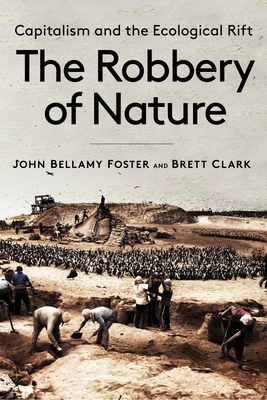
The Robbery of Nature: Capitalism and the Ecological Rift
Bridges the gap between social and environmental critiques of capitalism
In the nineteenth century, Karl Marx, inspired by the German chemist Justus von Liebig, argued that capitalism's relation to its natural environment was that of a robbery system, leading to an irreparable rift in the metabolism between humanity and nature. In the twenty-first century, these classical insights into capitalism's degradation of the earth have become the basis of extraordinary advances in critical theory and practice associated with contemporary ecosocialism. In The Robbery of Nature, John Bellamy Foster and Brett Clark, working within this historical tradition, examine capitalism's plundering of nature via commodity production, and how it has led to the current anthropogenic rift in the Earth System.
Bridges the gap between social and environmental critiques of capitalism In the nineteenth century, Karl Marx, inspired by the German chemist Justus von Liebig, argued that capitalism's relation to its natural environment was that of a robbery system, leading to an irreparable rift in the metabolism between humanity and nature. In the twenty-first century, these classical insights into capitalism's degradation of the earth have become the basis of extraordinary advances in critical theory and practice associated with contemporary ecosocialism. In The Robbery of Nature, John Bellamy Foster and Brett Clark, working within this historical tradition, examine capitalism's plundering of nature via commodity production, and how it has led to the current anthropogenic rift in the Earth System. Departing from much previous scholarship, Foster and Clark adopt a materialist and dialectical approach, bridging the gap between social and environmental critiques of capitalism. The ecological crisis, they explain, extends beyond questions of traditional class struggle to a corporeal rift in the physical organization of living beings themselves, raising critical issues of social reproduction, racial capitalism, alienated speciesism, and ecological imperialism. No one, they conclude, following Marx, owns the earth. Instead we must maintain it for future generations and the innumerable, diverse inhabitants of the planet as part of a process of sustainable human development.
Bridges the gap between social and environmental critiques of capitalism In the nineteenth century, Karl Marx, inspired by the German chemist Justus von Liebig, argued that capitalism's relation to its natural
PRP: 274.87 Lei

Acesta este Prețul Recomandat de Producător. Prețul de vânzare al produsului este afișat mai jos.
247.38Lei
247.38Lei
274.87 LeiPrimești 247 puncte
Livrare in 2-4 saptamani
Descrierea produsului
Bridges the gap between social and environmental critiques of capitalism
In the nineteenth century, Karl Marx, inspired by the German chemist Justus von Liebig, argued that capitalism's relation to its natural environment was that of a robbery system, leading to an irreparable rift in the metabolism between humanity and nature. In the twenty-first century, these classical insights into capitalism's degradation of the earth have become the basis of extraordinary advances in critical theory and practice associated with contemporary ecosocialism. In The Robbery of Nature, John Bellamy Foster and Brett Clark, working within this historical tradition, examine capitalism's plundering of nature via commodity production, and how it has led to the current anthropogenic rift in the Earth System.
Bridges the gap between social and environmental critiques of capitalism In the nineteenth century, Karl Marx, inspired by the German chemist Justus von Liebig, argued that capitalism's relation to its natural environment was that of a robbery system, leading to an irreparable rift in the metabolism between humanity and nature. In the twenty-first century, these classical insights into capitalism's degradation of the earth have become the basis of extraordinary advances in critical theory and practice associated with contemporary ecosocialism. In The Robbery of Nature, John Bellamy Foster and Brett Clark, working within this historical tradition, examine capitalism's plundering of nature via commodity production, and how it has led to the current anthropogenic rift in the Earth System. Departing from much previous scholarship, Foster and Clark adopt a materialist and dialectical approach, bridging the gap between social and environmental critiques of capitalism. The ecological crisis, they explain, extends beyond questions of traditional class struggle to a corporeal rift in the physical organization of living beings themselves, raising critical issues of social reproduction, racial capitalism, alienated speciesism, and ecological imperialism. No one, they conclude, following Marx, owns the earth. Instead we must maintain it for future generations and the innumerable, diverse inhabitants of the planet as part of a process of sustainable human development.
Bridges the gap between social and environmental critiques of capitalism In the nineteenth century, Karl Marx, inspired by the German chemist Justus von Liebig, argued that capitalism's relation to its natural
Detaliile produsului



